Cookie Policy
Effective Date: 05-Apr-2024
Last Updated: 05-Apr-2024
What are cookies?
How do we use cookies?
Types of Cookies we use
Manage cookie preferences
You can change your cookie preferences any time by clicking the above button. This will let you revisit the cookie consent banner and change your preferences or withdraw your consent right away.
In addition to this, different browsers provide different methods to block and delete cookies used by websites. You can change the settings of your browser to block/delete the cookies. Listed below are the links to the support documents on how to manage and delete cookies from the major web browsers.
Chrome: https://support.google.com/accounts/answer/32050
Safari: https://support.apple.com/en-in/guide/safari/sfri11471/mac
Internet Explorer: https://support.microsoft.com/en-us/topic/how-to-delete-cookie-files-in-internet-explorer-bca9446f-d873-78de-77ba-d42645fa52fc
If you are using any other web browser, please visit your browser’s official support documents.
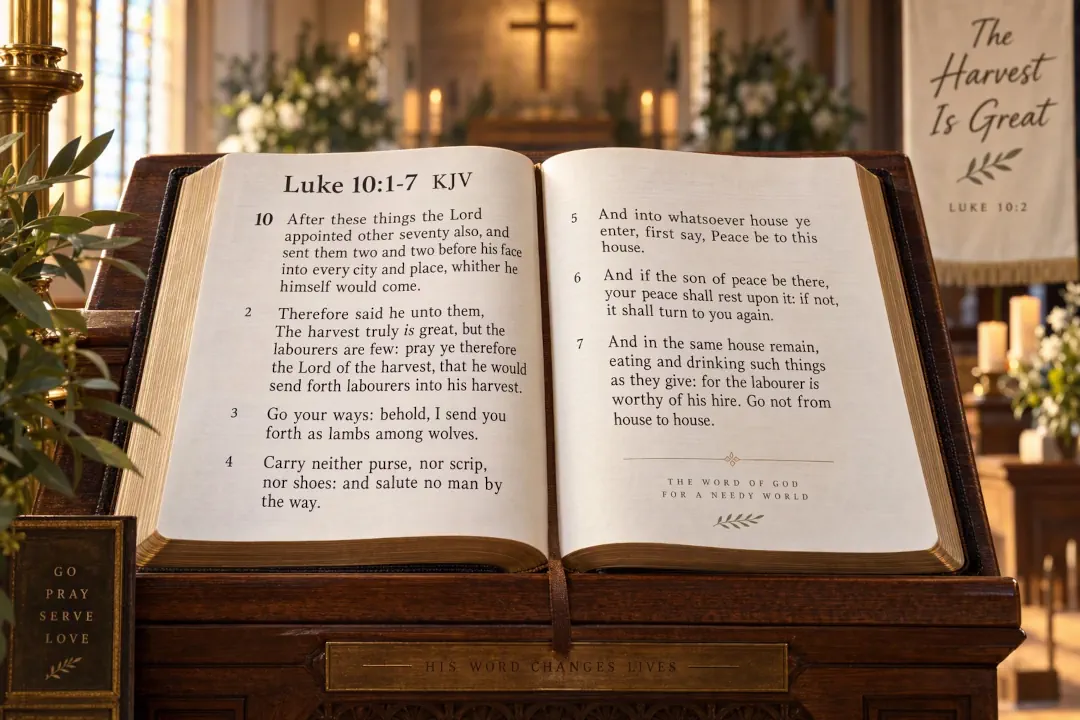
You Are the Seventy: A Feast of St. Luke Homily
Jesus didn’t just send the Twelve — He sent seventy ordinary disciples. Fr. Dan’s Feast of St. Luke homily on Luke 10:1–7 shows that you are among the seventy, and your first mission field is your own home. One word of peace can change everything.

Be of Good Cheer: Forgiveness and the Paralytic
We ask God to fix what we can see — the diagnosis, the broken relationship, the bad situation. But Jesus goes deeper. Before He heals the body, He speaks to the soul: “Son, be of good cheer; thy sins be forgiven thee.”
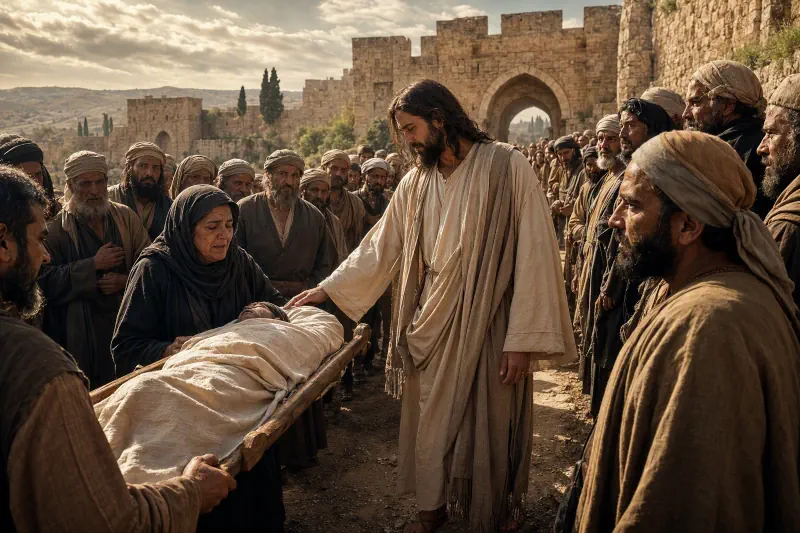
The Lord Sees You: Sermon on the Widow of Nain
Before you cry out to God, before you find the words to pray — the Lord already sees you. A Trinity 16 sermon on Luke 7:11-17: Christ’s compassion that enters our grief and moves toward restoration.