Principles and Morality of the Church
Current Series
The Conscience, as the inherent knowledge of right and wrong, cannot stand alone as a sovereign arbiter of morals. True Christians are obligated to form their Conscience by Devine Moral Law and the mind of Christ as revealed in the Holy Scriptures and by the teaching and Tradition of the Church. We hold that the Christian Conscience is thus properly informed and ruled; it must affirm the following moral principles:
Individual Responsibility:
All people, individually and collectively, are responsible to their creator for their acts, motives, thoughts, and words since "we must all appear before the judgment seat of Christ…. "
Sanctity of Human Life:
From the time of his conception, every human being is a creature and child of God, made in his image and likeness, an infinitely precious soul; and the unjustifiable or inexcusable taking of life is always sinful.
Man's Duty to God:
All people are bound by the dictates of the Natural Law and by the revealed Will of God insofar as they can discern them.
Family Life:
The God-given sacramental bond by marriage between one man and one woman is God's loving provision for procreation and family life, and sexual activity is to be practiced only within the bonds of Holy Matrimony.
Man as Sinner:
We recognize a man as the inheritor of original sin. Man is "far gone from original righteousness," and as a rebel against God's authority, he is liable to His righteous judgment.
Man and God's Grace:
We recognize, too, that God loves His children and particularly has shown it forth in the redemption work of the Lord Jesus Christ, and that man cannot be saved by any effort of his own, but by the Grace of God, through repentance and acceptance of God's forgiveness.
Christian's Duty to be Moral:
We believe, therefore, that it is the Church's duty, her members, to bear witness to Christian Morality, follow it in their lives, and reject the world's false standards.
Latest Message
John 14:1-3
Let not your heart be troubled: ye believe in God, believe also in me. In my Father's house are many mansions: if it were not so, I would have told you. I go to prepare a place for you. And if I go and prepare a place for you, I will come again, and receive you unto myself; that where I am, there ye may be also.
REad
News & Stories
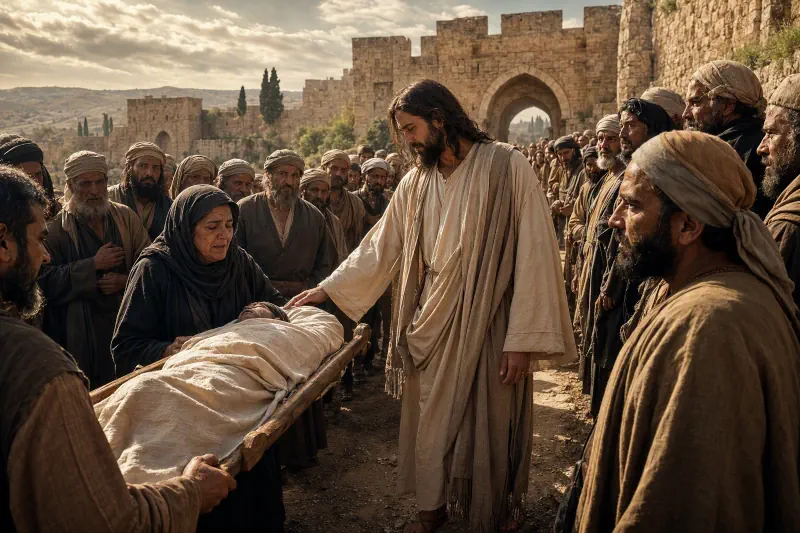
The Lord Sees You: Sermon on the Widow of Nain
Before you cry out to God, before you find the words to pray — the Lord already sees you. A Trinity 16 sermon on Luke 7:11-17: Christ’s compassion that enters our grief and moves toward restoration.
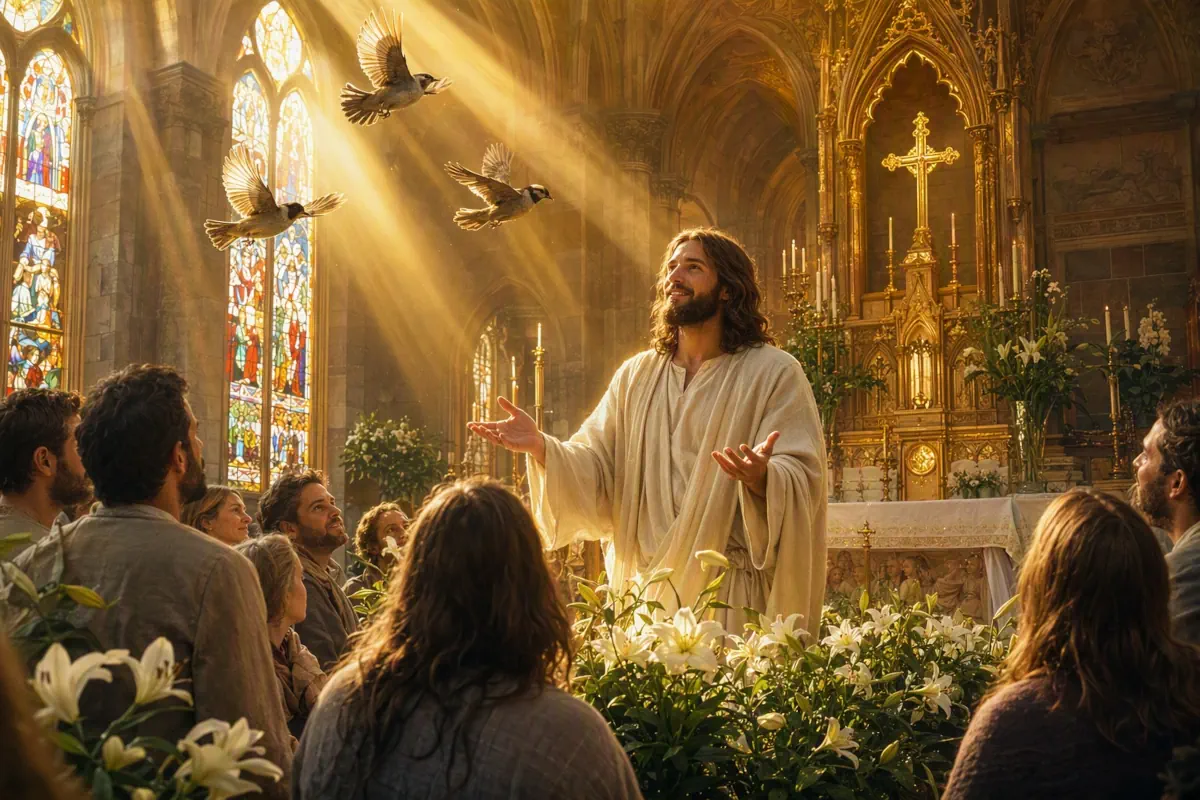
Trinity 15 Sermon: Trusting God Over Anxiety and Worry
Jesus says we cannot serve two masters — and anxiety itself can become one. This Trinity 15 sermon explores Matthew 6:24-34 and the call to trust God over worry.
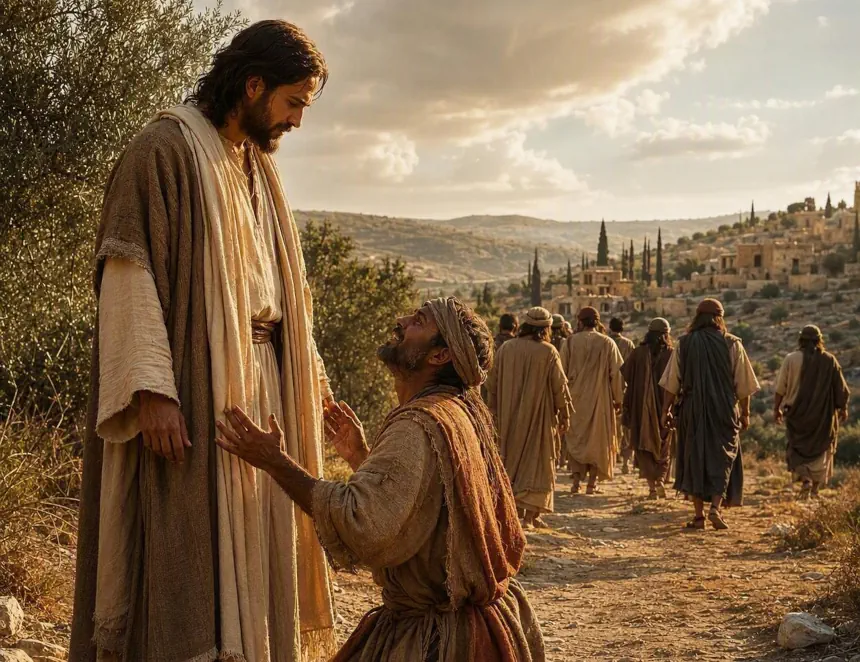
Thankfulness and Saving Faith: A Trinity 14 Reflection
Why did only one leper return to Jesus? In Luke 17:11-19, all ten lepers received physical healing, but only one returned to thank Christ. Fr. Dan explains that gratitude is more than good manners. It is the response of a heart that recognizes God’s mercy and seeks relationship with the Giver rather than simply enjoying the gift. Through thanksgiving, the Samaritan received not only cleansing but true spiritual wholeness.