Principles and Morality of the Church
Current Series
The Conscience, as the inherent knowledge of right and wrong, cannot stand alone as a sovereign arbiter of morals. True Christians are obligated to form their Conscience by Devine Moral Law and the mind of Christ as revealed in the Holy Scriptures and by the teaching and Tradition of the Church. We hold that the Christian Conscience is thus properly informed and ruled; it must affirm the following moral principles:
Individual Responsibility:
All people, individually and collectively, are responsible to their creator for their acts, motives, thoughts, and words since "we must all appear before the judgment seat of Christ…. "
Sanctity of Human Life:
From the time of his conception, every human being is a creature and child of God, made in his image and likeness, an infinitely precious soul; and the unjustifiable or inexcusable taking of life is always sinful.
Man's Duty to God:
All people are bound by the dictates of the Natural Law and by the revealed Will of God insofar as they can discern them.
Family Life:
The God-given sacramental bond by marriage between one man and one woman is God's loving provision for procreation and family life, and sexual activity is to be practiced only within the bonds of Holy Matrimony.
Man as Sinner:
We recognize a man as the inheritor of original sin. Man is "far gone from original righteousness," and as a rebel against God's authority, he is liable to His righteous judgment.
Man and God's Grace:
We recognize, too, that God loves His children and particularly has shown it forth in the redemption work of the Lord Jesus Christ, and that man cannot be saved by any effort of his own, but by the Grace of God, through repentance and acceptance of God's forgiveness.
Christian's Duty to be Moral:
We believe, therefore, that it is the Church's duty, her members, to bear witness to Christian Morality, follow it in their lives, and reject the world's false standards.
Latest Message
John 14:1-3
Let not your heart be troubled: ye believe in God, believe also in me. In my Father's house are many mansions: if it were not so, I would have told you. I go to prepare a place for you. And if I go and prepare a place for you, I will come again, and receive you unto myself; that where I am, there ye may be also.
REad
News & Stories
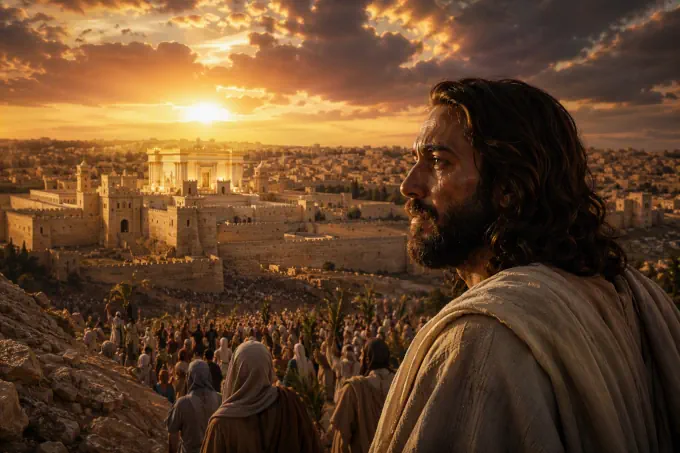
When Jesus Wept: Preparing the Heart for Christ
Jesus wept over Jerusalem because the people failed to recognize God’s visitation and the peace He offered. In Luke 19:41–47, Christ’s tears and His cleansing of the Temple reveal the depth of divine love that seeks not to condemn, but to restore. Fr. Dan challenges believers to examine their hearts, remove spiritual clutter, and welcome Christ fully, allowing Him to transform them into living houses of prayer.
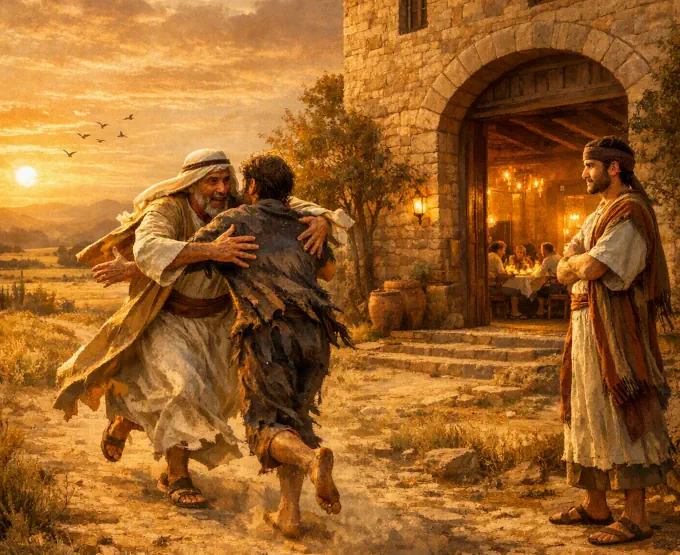
Two Lost Sons, One Loving Father: Grace for the Prodigal and the Faithful
In his Trinity 9 sermon on Luke 15:11–32, Fr. Dan explores the familiar Parable of the Prodigal Son from a fresh perspective. Rather than focusing solely on the younger brother who wandered away, he highlights the lostness of both sons—the rebellious son in the distant country and the resentful son standing outside the celebration. At the heart of the story is a father whose grace reaches both. This sermon reminds us that whether we have strayed far from God or have become spiritually distant while remaining close to religious life, the Father’s invitation to forgiveness, belonging, and joy remains open to all.

Buried with Christ, Raised to New Life: Living the Reality of Baptism
Baptism is more than a past event—it is the defining reality of the Christian life. Drawing from Romans 6:3–11, this Trinity 6 sermon reminds believers that they have been buried with Christ, freed from the dominion of sin, and raised to walk in the newness of resurrection life.