Laetare Sunday (/liːˈtɛːri/ or /lʌɪˈtɑːri/) is the fourth Sunday in the season of Lent, in the Western Christian liturgical calendar. Traditionally, this Sunday has been a day of celebration, within the austere period of Lent. This Sunday gets its name from the first few words (incipit) of the traditional Latin entrance (Introit) for the Mass of the day. "Laetare Jerusalem" ("Rejoice, O Jerusalem") is Latin from Isaiah 66:10.If you wish to talk to our vicar, or do a private or counseling confession, please speak with him. He is available by appointment.
This Sunday is also known as Mothering Sunday, Refreshment Sunday, mid-Lent Sunday (in French mi-carême) and Rose Sunday (either because the golden rose (sent by Popes to Catholic sovereigns) used to be blessed at this time, or because the use of rose-colored (rather than violet) vestments was permitted on this day).
Historically, the day was also known as "the Sunday of the Five Loaves," from the story of the miracle of the loaves and fishes. Before the adoption of the modern "common lectionaries", this narrative was the traditional Gospel reading for this Sunday in Roman Catholic, Lutheran, Anglican, and Old Catholic churches.
On Mothering Sunday, Christians have historically visited their mother church—the church in which they received the sacrament of baptism.
In Roman Catholic, Anglican Catholic, Lutheran and Old Catholic churches flowers may appear on the high altar and special music may be played in addition to the organ. Priests are given the option to wear rose-colored vestments at Mass held on this day in place of the violet vestments normally worn during Lent. The term "rose" is used to describe this lighter shade of the color violet in the Western Rite.
The Sunday is considered a day of relaxation from normal Lenten rigors; a day of hope with Easter at last within sight. Traditionally, weddings (otherwise banned during Lent) could be performed on this day, and servants were released from service for the day to visit their mother church, the place in which they received the sacrament of baptism (hence 'Mothering Sunday').
Laetare Sunday is also the last Sunday before the solemness of Passion Sunday begins. Confessions may also be scheduled with the priest.
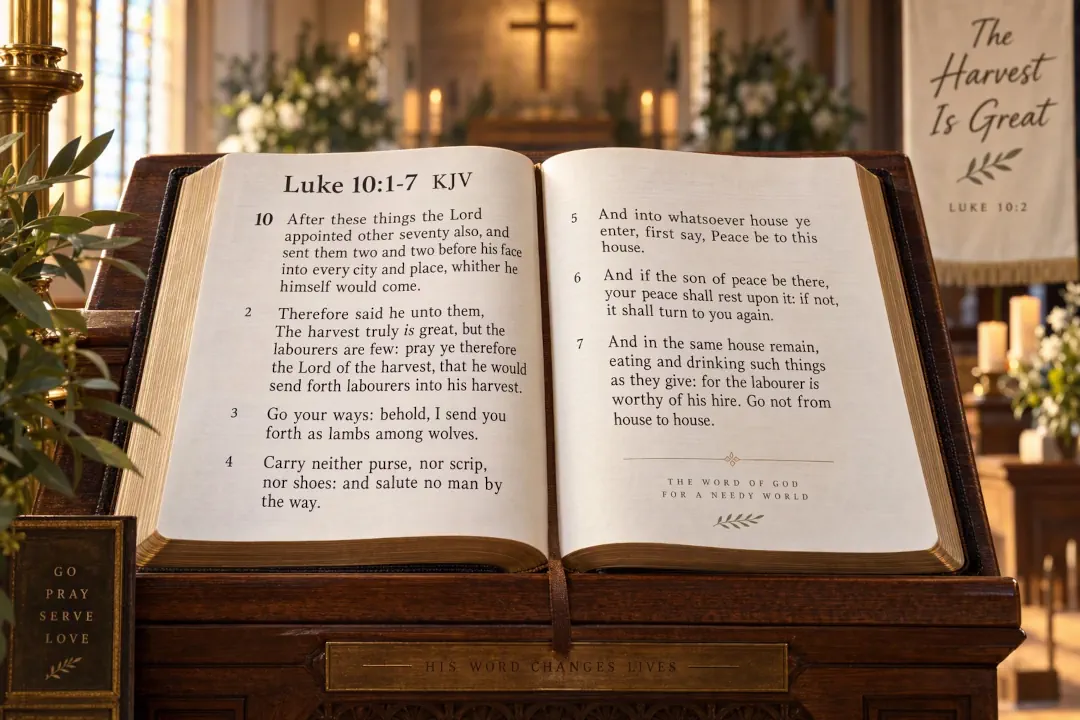
You Are the Seventy: A Feast of St. Luke Homily
Jesus didn’t just send the Twelve — He sent seventy ordinary disciples. Fr. Dan’s Feast of St. Luke homily on Luke 10:1–7 shows that you are among the seventy, and your first mission field is your own home. One word of peace can change everything.
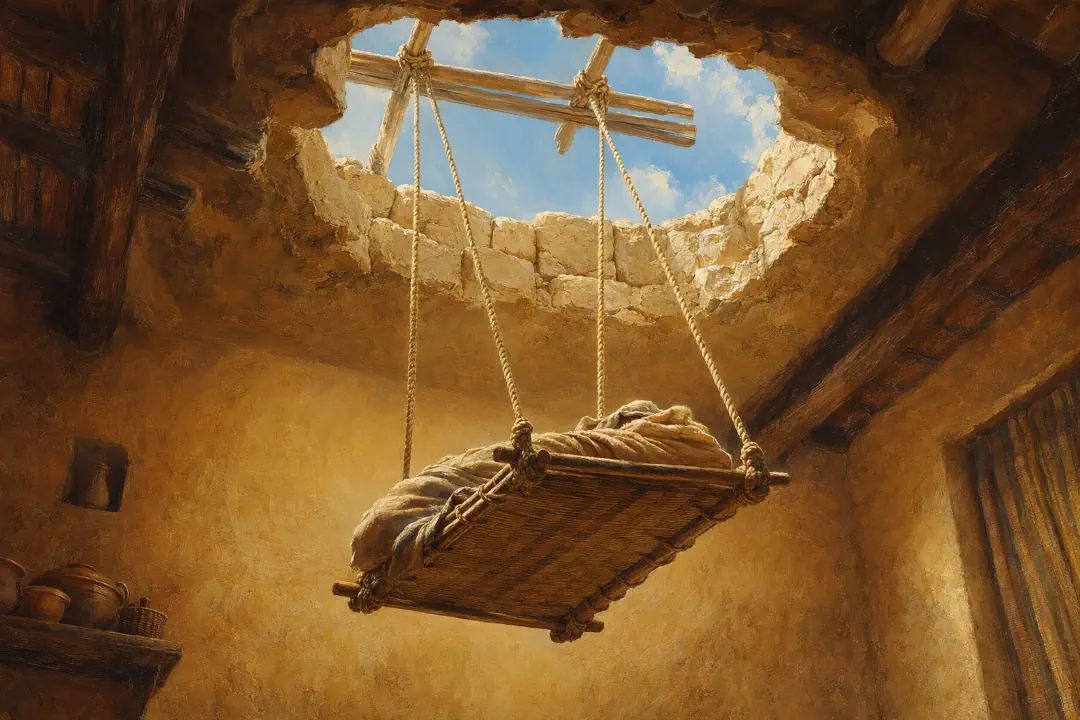
Be of Good Cheer: Forgiveness and the Paralytic
We ask God to fix what we can see — the diagnosis, the broken relationship, the bad situation. But Jesus goes deeper. Before He heals the body, He speaks to the soul: “Son, be of good cheer; thy sins be forgiven thee.”
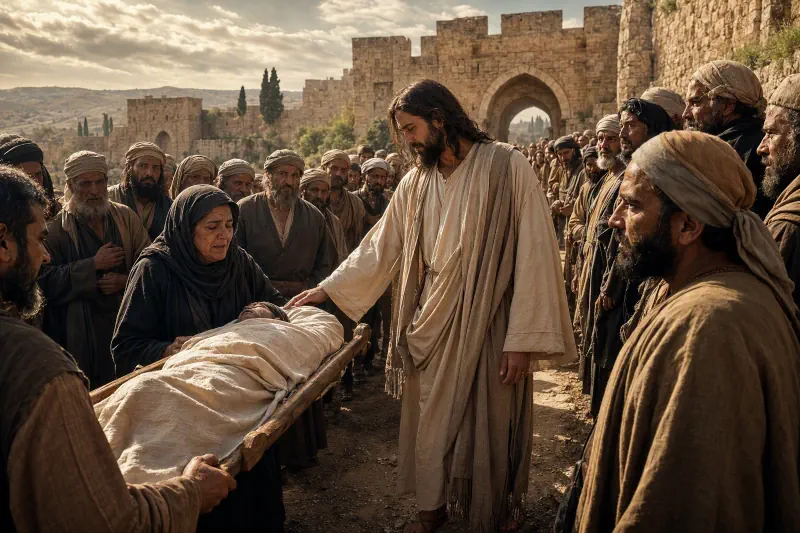
The Lord Sees You: Sermon on the Widow of Nain
Before you cry out to God, before you find the words to pray — the Lord already sees you. A Trinity 16 sermon on Luke 7:11-17: Christ’s compassion that enters our grief and moves toward restoration.