Sharing the message of God’s love is not just a duty, but a path to personal growth and profound fulfillment. Here are some ways you can embark on this journey:
- Live by Example: Your life can be a powerful testimony to God’s love. Show kindness, patience, and forgiveness in your daily interactions.
- Share Your Journey: Your personal story, how your faith has transformed your life, can be a beacon of hope for others. Personal stories have a unique power to inspire and connect.
- Use Social Media: Platforms like Facebook, Twitter, and Instagram can be great places to share inspiring messages, Bible verses, and personal reflections.
- Start a Discussion Group: Whether it’s a Bible study or a prayer group, gathering to discuss faith can encourage and inspire.
- Wear Your Faith: Clothing and accessories with Christian messages can prompt conversations and express your beliefs.
- Engage in Community Service: Volunteer your time to help those in need. Acts of service can demonstrate God’s love in action.
- Write or Blog: If you enjoy writing, consider starting a blog or writing articles about your faith and experiences.
- Create Art: If you’re artistically inclined, use your talents to create works that express your faith and God’s love.
- Be a Good Listener: Being there to listen to someone can open the door to meaningful conversations about faith.
Pray: Ask for guidance and opportunities to share God’s love with others. Prayer is not just a way to communicate with God, but also a powerful tool in your mission to share His love. Pray for the right words, the right timing, and the right people to share your faith with.
Remember, genuine relationships and conversations are not just a means, but the most effective way to share God’s love. Be respectful and compassionate, and let your actions reflect Christ's teachings.
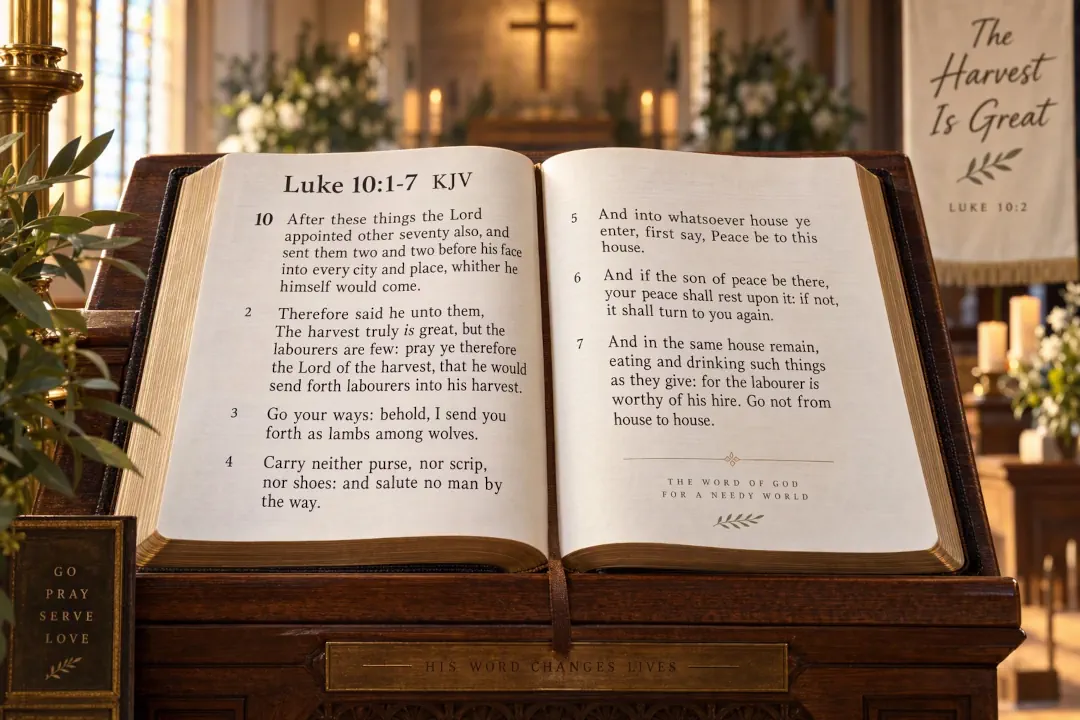
You Are the Seventy: A Feast of St. Luke Homily
Jesus didn’t just send the Twelve — He sent seventy ordinary disciples. Fr. Dan’s Feast of St. Luke homily on Luke 10:1–7 shows that you are among the seventy, and your first mission field is your own home. One word of peace can change everything.

Be of Good Cheer: Forgiveness and the Paralytic
We ask God to fix what we can see — the diagnosis, the broken relationship, the bad situation. But Jesus goes deeper. Before He heals the body, He speaks to the soul: “Son, be of good cheer; thy sins be forgiven thee.”
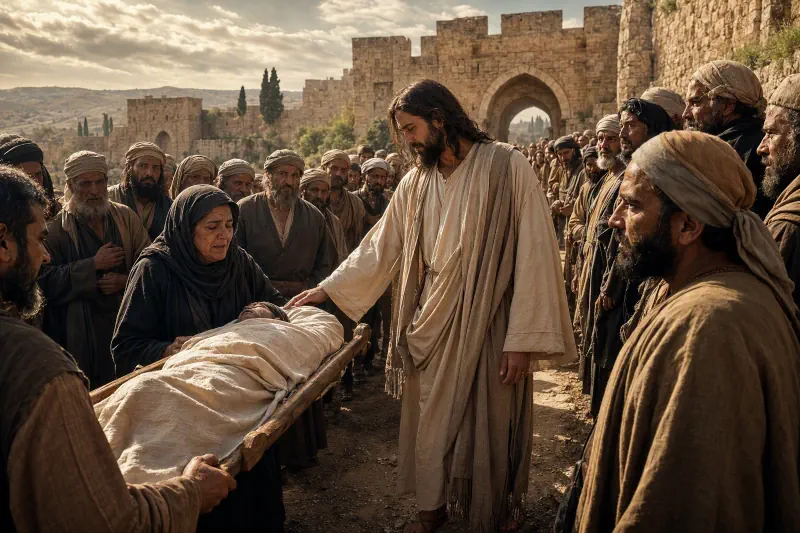
The Lord Sees You: Sermon on the Widow of Nain
Before you cry out to God, before you find the words to pray — the Lord already sees you. A Trinity 16 sermon on Luke 7:11-17: Christ’s compassion that enters our grief and moves toward restoration.