Epiphany (/əˈpɪfəni/ ə-PIF-ə-nee), also known as Theophany in Eastern Christian traditions, is our Christian feast day that celebrates the revelation (theophany) of God incarnate as Jesus the Christ.
In Western Christianity, the feast commemorates principally (but not solely) the visit of the Magi to the Christ Child, and thus Jesus Christ's physical manifestation to the Gentiles. It is sometimes called Three Kings' Day (or Day of the Coming of the Wise Men), and in some traditions celebrated as Little Christmas. Moreover, the feast of the Epiphany, in our tradition, also initiates the liturgical season of Epiphanytide.
Eastern Christians, on the other hand, commemorate the baptism of Jesus in the Jordan River, seen as his manifestation to the world as the Son of God. The spot marked by Al-Maghtas in Jordan, adjacent to Qasr al-Yahud in the West Bank, is considered to be the original site of the baptism of Jesus and the ministry of John the Baptist.
The traditional date for the feast is January 6. Many Eastern Churches celebrate their Christmas on the same day as the Western Epiphany.
In many Western Churches, the eve of the feast is celebrated as Twelfth Night (Epiphany Eve). The Monday after Epiphany is known as Plough Monday, the start of the English agricultural year.
Popular Epiphany customs include Epiphany singing, chalking the door, having one's house blessed, consuming Three Kings Cake, winter swimming, as well as attending church services. It is customary for Christians in many localities to remove their Christmas decorations on Epiphany Eve (Twelfth Night), although those in other Christian countries historically remove them on Candlemas, the conclusion of Epiphanytide.
According to tradition, many gifts are not given on Christmas Day but instead on Epiphany marking the gifts of the Three Kings. In Mexico, the family puts out their shoes in which is placed small gifts delivered by the Three Kings as they pass on the way to Bethlehem.
REad
News & Stories
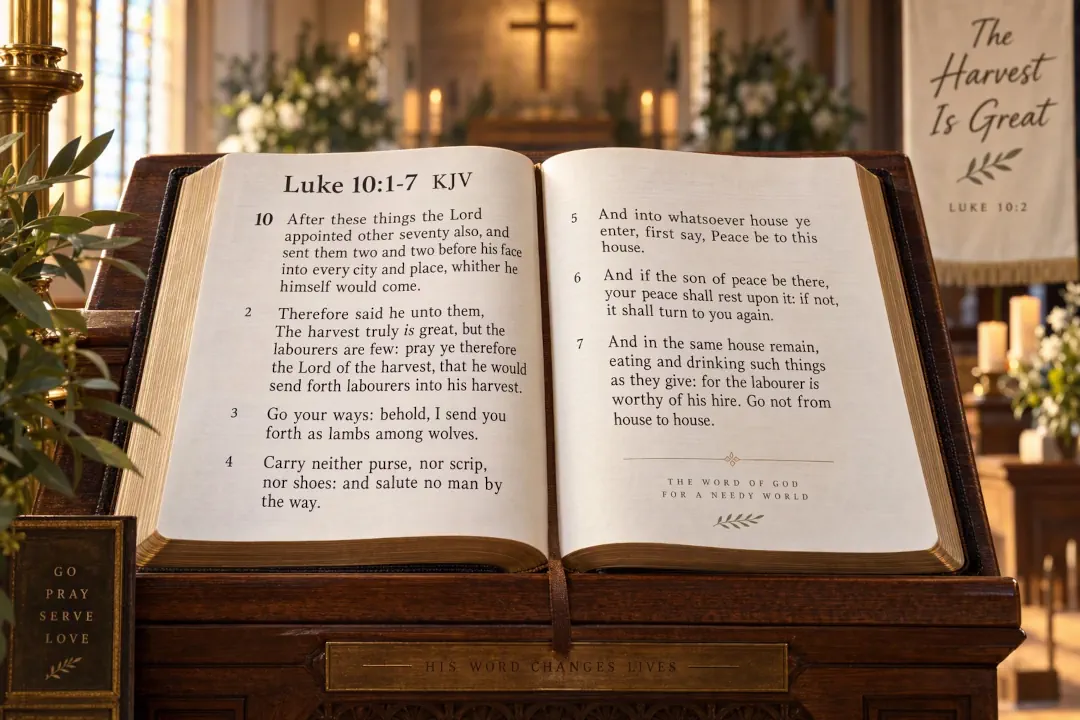
You Are the Seventy: A Feast of St. Luke Homily
Jesus didn’t just send the Twelve — He sent seventy ordinary disciples. Fr. Dan’s Feast of St. Luke homily on Luke 10:1–7 shows that you are among the seventy, and your first mission field is your own home. One word of peace can change everything.
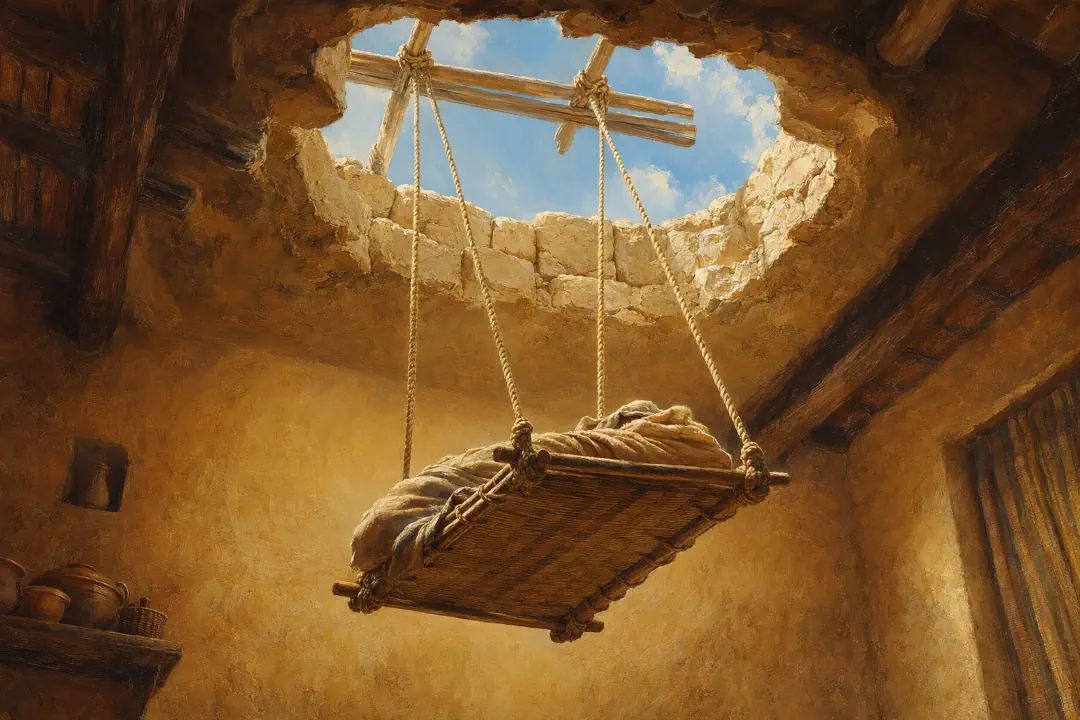
Be of Good Cheer: Forgiveness and the Paralytic
We ask God to fix what we can see — the diagnosis, the broken relationship, the bad situation. But Jesus goes deeper. Before He heals the body, He speaks to the soul: “Son, be of good cheer; thy sins be forgiven thee.”
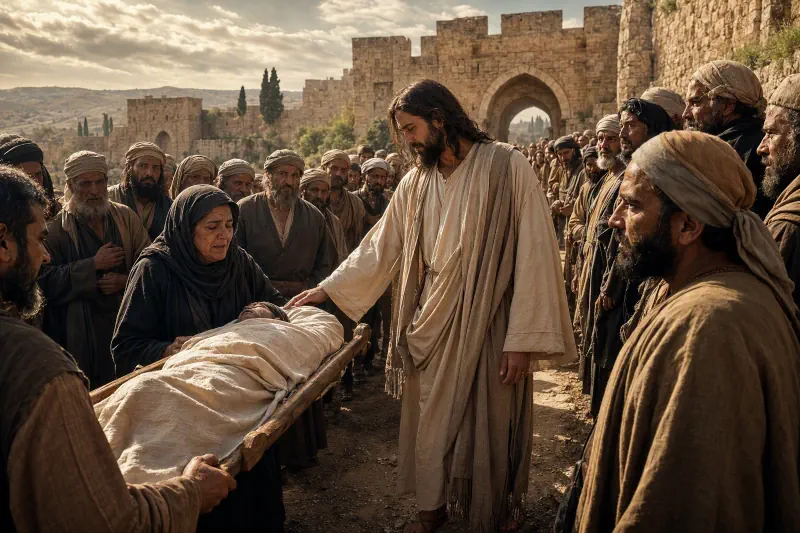
The Lord Sees You: Sermon on the Widow of Nain
Before you cry out to God, before you find the words to pray — the Lord already sees you. A Trinity 16 sermon on Luke 7:11-17: Christ’s compassion that enters our grief and moves toward restoration.
Matthew 2:1-3
King James Version
2 Now when Jesus was born in Bethlehem of Judaea in the days of Herod the king, behold, there came wise men from the east to Jerusalem,
[2] Saying, Where is he that is born King of the Jews? for we have seen his star in the east, and are come to worship him.
[3] When Herod the king had heard these things, he was troubled, and all Jerusalem with him.