The Easter Season celebrates the Resurrection of our Lord and Savior, Jesus Christ. After his Crucifixion, death, and burial, three days later, He rose from the grave. By this, He conquered death and redeemed us from sin. Unfortunately, the Christian creation of the holiday happened around the same time another pagan celebration was in full swing. Nonetheless, we strive to celebrate God's victory over the grave on this holiday.
In the Christian calendar, Easter follows Lent, the period of 40 days (not counting Sundays) before Easter, which traditionally is observed by acts of penance and fasting. Easter is immediately preceded by Holy Week and includes Maundy Thursday, the commemoration of Jesus' Last Supper with his disciples; Good Friday, the day of his Crucifixion; and Holy Saturday, the transition between Crucifixion and Resurrection. Liturgically, Easter comes after the Great Vigil, which was initially observed sometime between sunset on Easter Saturday and sunrise on Easter Sunday. Later it would be celebrated in Western churches on Saturday evening, Saturday afternoon, and Sunday morning. In 1955 the Roman Catholic Church set the time for the Vigil at 10 pm, allowing the Easter mass to be celebrated after midnight. In Orthodox traditions, the Vigil is an important liturgical event, while it is little known in Protestant churches.b Easter is also a celebration that welcomes spring in the northern hemisphere and occurs on the Sunday after the first full moon following the vernal equinox. We calculate Easter Sunday according to tables based on Western churches on the Gregorian calendar and in Orthodox churches on the Julian calendar. The King James Version has it in Acts 12:4, which stands for Passover, as it is rightly rendered in the Revised Version (British and American). There is no trace of Easter celebration in the New Testament. However, some would see an intimation of it in 1 Corinthians 5:7. 7 Get rid of the old yeast, so that you may be a new unleavened batch—as you really are. For Christ, our Passover lamb, has been sacrificed.
Nevertheless, the Jewish Christians in the early church continued to celebrate the Passover, regarding Christ as the true paschal lamb. Jesus naturally passed over into a commemoration of the death and resurrection of our Lord or an Easter feast.
His resurrection means eternal life is granted to all who believe in Him. The purpose of Easter also means the full confirmation of all that Jesus taught and preached during His three-year ministry. If He had not risen from the dead or died and not been resurrected, He would have been thought just another teacher or prophet. However, Jesus' resurrection rebuked all that and provided final, undeniable proof that He was the Son of God and that He had overcome death once and for all.
The resurrection of Jesus Christ from the dead is the core of the Christian gospel. Saint Paul says that if Christ is not raised from the dead, our preaching and hope are in vain (1 Cor. 15:14). Certainly, without the resurrection, there would be no Christian preaching or faith. The apostles of Christ would have continued as the disheartened group, which the Gospel of John depicts as being in hiding for fear of the Jews. They were in total despair until they met the risen Christ (John 20:19).
John 20:19
King James Version
19 Then the same day at evening, being the first day of the week, when the doors were shut where the disciples were assembled for fear of the Jews, came Jesus and stood in the midst, and saith unto them, Peace be unto you Then they touched Christ's wounds of the nails and spear and ate and drank with Him.
The resurrection became the foundation of everything they said and did.
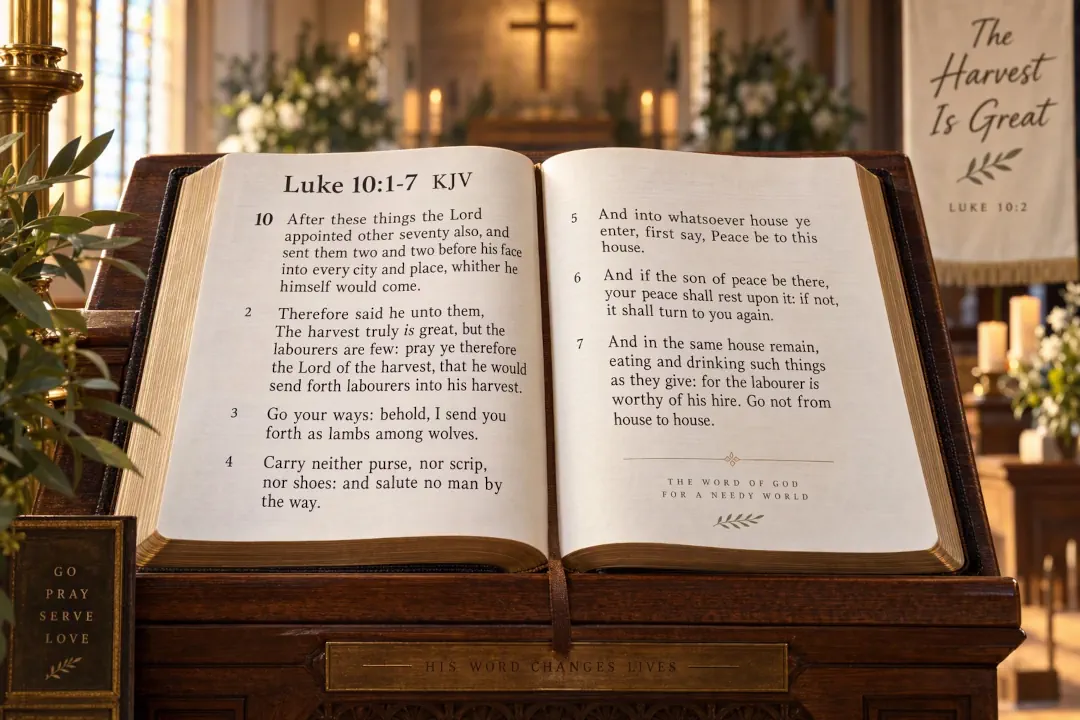
You Are the Seventy: A Feast of St. Luke Homily
Jesus didn’t just send the Twelve — He sent seventy ordinary disciples. Fr. Dan’s Feast of St. Luke homily on Luke 10:1–7 shows that you are among the seventy, and your first mission field is your own home. One word of peace can change everything.
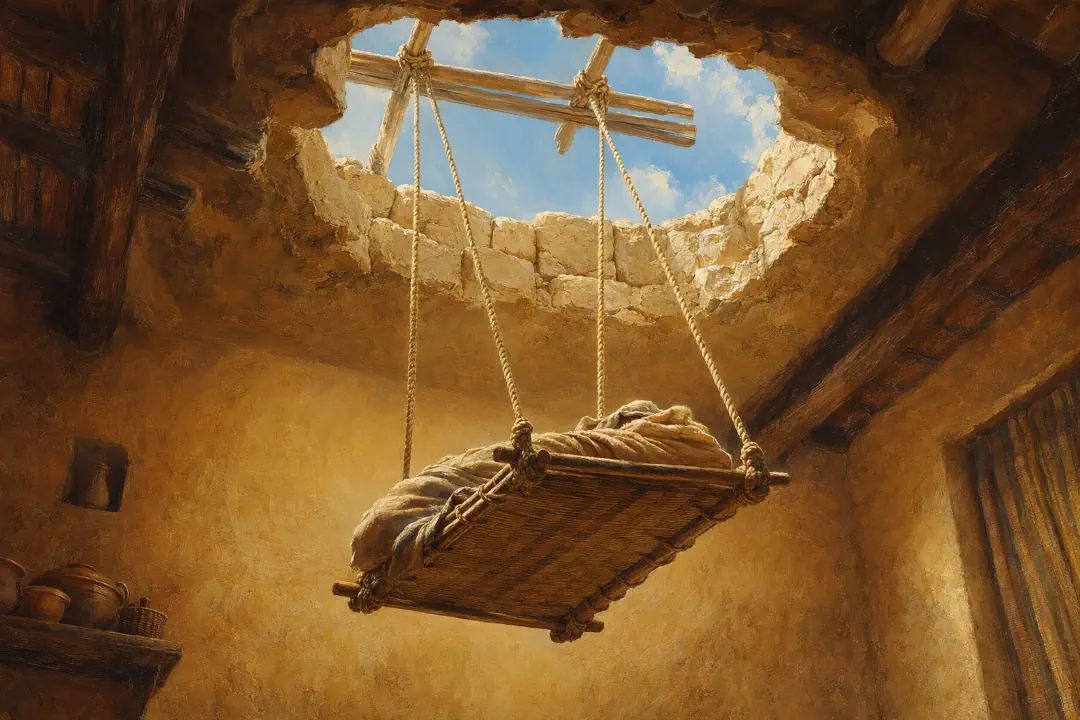
Be of Good Cheer: Forgiveness and the Paralytic
We ask God to fix what we can see — the diagnosis, the broken relationship, the bad situation. But Jesus goes deeper. Before He heals the body, He speaks to the soul: “Son, be of good cheer; thy sins be forgiven thee.”
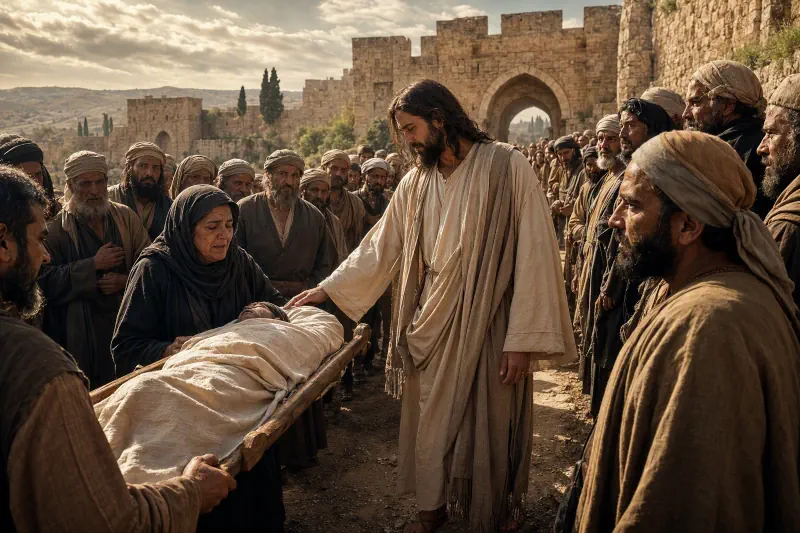
The Lord Sees You: Sermon on the Widow of Nain
Before you cry out to God, before you find the words to pray — the Lord already sees you. A Trinity 16 sermon on Luke 7:11-17: Christ’s compassion that enters our grief and moves toward restoration.